Posted in Plot/Story

Creating Empathy

On October 6, 2021 I wrote a blog post entitled Connections. Toward the end of the article I talked about a character, Mary, who was in a heated argument with her boyfriend as they were walking along. They had come to an area or clearing where the sunset could be seen much better in all of its glory. The boyfriend didn’t notice it. He could’ve cared less, but Mary noticed it and enjoyed it so much that for a moment she forgot about the argument. In this post I said that the sunset itself had nothing to do with the issue at hand, which was the argument. It was a random occurrence. But it had everything to do with creating empathy for the character of Mary. Add to this the dialogue between the two. Maybe Mary’s boyfriend said something nasty to her. The reader will be affected by these words to in that they will feel for her/have empathy for her. Mary may not be hurt by his words, but the reader will feel for her anyway. Well, most readers anyway.

Photo by Cliford Mervil on Pexels.com

Creating empathy for your characters is what draws your readers further into your story. Feelings, as we all know, have a strong connection to empathy. The two go hand in hand. As a side note, not everyone feels empathy, so don’t worry if your characters don’t connect with some readers. It’s just the nature of the beast.

Empathy, or even lack thereof, also gives incite into your character’s personality. In the above scenario we come to understand that Mary loves the beauty of sunsets even in the face of angst. It also hints towards her sensitivity. In addition, deep down she doesn’t let something like an argument with her boyfriend get to her. This indicates strength to get through it and not dwell on it. It could also indicate she feels as though the situation between her and her boyfriend will get resolved. The point being, in the ugly face of an argument, she saw beauty.

Photo by James Wheeler on Pexels.com

What drives the feelings within your characters? The situations they are thrust up against. Let’s say we have a character named Jack. He’s 31 years old, a successful corporate lawyer, and married with one child. He finds out his wife is cheating on him. Over the eight years they’ve been married, he has given his wife everything. He supports her in all that she enjoys doing. There isn’t anything that indicated to him that she had been unfaithful. Until he walks in on his wife and her lover when he comes home to surprise her (I know. This is a typical scenario, but it works for the point I’m trying to make). Already the reader feels empathy for him, and we haven’t gotten to how he is feeling yet. Although, his feelings will be interspersed throughout the scenario anyway.

Everything, the feelings and situations, even the words characters say to one another can create empathy within your readers. They will be pulled into your story. You want this. Of course, there are other ways besides creating empathy that can pull a reader in as well. Here again, that’s another blog post.

Posted in Writing

Life Long Learning

The years spent writing my first novel weren’t just spent writing. What I discovered early on was that I didn’t understand how to put a book length story together. To be specific, I needed to learn story structure. Thus, great care was taken to spend time learning about the craft of writing a book. Much trial and error occurred, and through all of that I discovered what worked and what didn’t work for me.

Other story elements I had to brush up more on were story flow, word flow, grammar, plot, character development, dialogue, character emotions, the list goes on and on. This all takes time, yes, but it is well worth it. While I was learning and brushing up on these skills, I wrote as well. There were times of frustration, when I had to delete part of my story and start over. But the more I wrote and learned, the easier the whole process became.

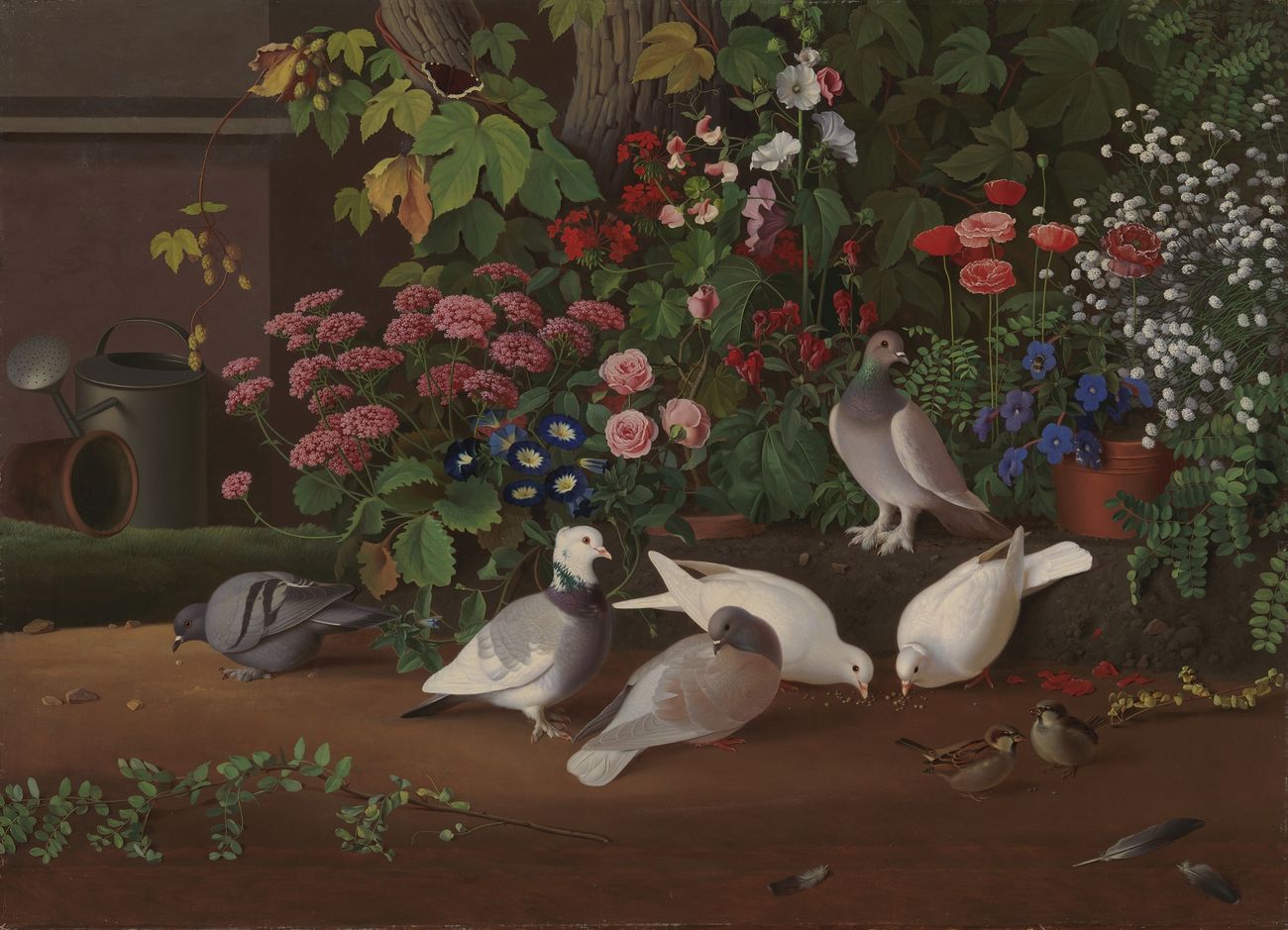
The Moment of Meditation by Louis Surugue is licensed under CC-CC0 1.0

You won’t be the best straight out of the gate. No one ever is. But the more you learn and learn continuously, and practice what you learned, the better and easier it will become. So where do you start? Start with your weakness. What areas of writing and grammar are you weak in? Start there and move forward.

Now, two books later, the ride has become more fluent. The words flow more, and I know way more about story structure than I did years ago when I first started. This doesn’t mean there isn’t anything else to learn. I still continue to learn. Learning is what keeps us going and maturing and moving to the next level.

Posted in Poetry

Indecision by L. M. Montes

Later lies what one must do,
when after thought has started,
situations sit and fester thus,
until we plan our action.

Posted in Social

Backwards and Forwards

Moving forward, seeing what’s up ahead will appear small until we’re upon it. But glancing backwards will cause us to stumble.

Photo by Emir Kaan Okutan on Pexels.com
Posted in Poetry

To My Daughter by L. M. Montes

The blocks rumbled and tumbled down,
crumbling further till pebbles abound,
half of me shut the door to life,
when you stabbed me with your knife.
I understand life’s little worries,
when you think you’re in a flurry,
right now a storm has bitten your soul,
but it will pass, then you’ll be whole.
I took part in your unrest,
without a thought of future’s test,
behind we look and stagger forward,
but gaining ground does not look backward.
I wish you well my little one,
for in God’s hands all is won,
He has your heart and soul I pray,
that back to us you’ll be some day.

Posted in Books

My Book Review for Broken by Ivy Logan

Broken by Ivy Logan

My rating: 5 of 5 stars


I liked how the story depicts individual real life occurrences, happenings, and events so very well. The main character, Caitlin, receives a prophesy at the beginning of her life. It isn’t something she wants to have happen, so she tries to prevent it. But in so doing, she causes it to happen. I think we have all come across something like this in our lives. We can’t always prevent or know something is going to happen as a result of our actions, and we can’t foresee the outcomes. In the end, if we come to the knowledge that we caused something bad to happen or that we were responsible in some way for how someone turned out, we need to learn to forgive ourselves. That’s part of what the story of this book teaches.

The author did a great job of conveying character emotions. I felt as though I was in the story myself and feeling what the characters were feeling. The evil king irritated me because of how nasty he was, but at the same time, one had to feel kind of sorry for him given his background. It left me wondering how he would have turned out had his adoptive mother lived.

Well done, Ivy Logan!


View all my reviews

Posted in Social

Knowledge and Knowing

Knowing something doesn’t mean you have the knowledge. Seek to understand first.

Photo by Tima Miroshnichenko on Pexels.com
Posted in Poetry

Nature Speaks by L. M. Montes

Bells chime from afar,
the melody floats,
sitting upon clouds
embarking on a
journey, waving as
they saunter by me.

A cricket plays its
violin so sweet
as sun’s beams sink low,
waving goodbye until
tomorrow, yawning
as Mr. Moon glows.

Seagulls bob and weave,
waves stretch smooth fingers
along wet sand to kiss
my toes in loving
kindness, linger
for a bit then go.


Posted in Social

Morning Brew

I always enjoy a great cup of coffee in the morning. Here where I am in the USA, it is early morning. I am sitting in the quiet of my house enjoying something coffee and wishing I could share it with you. So here is the next best thing. (See picture below):

Have a GREAT day🤗🥰😁