How picky are you with your words, when you write? Do you have to choose just the right ones in order for you to move on? Or do you belt them out there onto the page and rework them later? The first way can stop you up and prevent you from making headway at a steady pace. Because what happens is this: a creative idea for your story may have popped into your head, and you might forget it by the time you’re finished making your wording what you ultimately want it to be.
Get the words on paper first along with your ideas and worry about making them just perfectly right later. You can also make notes for yourself along the way about what you want to go back and fix. Your draft will still be there waiting for you.
Those pesky adverbs can be a real bear. Lately I’ve read some great fiction. The story drew me in, the characters were memorable, the description was detailed without being to much. I loved it. But then throughout the experience there were stopping points. Yes, stopping points. What were these stopping points? They were ADVERBs. Turn an adverb into action. Note the difference below:
Example 1: Ok a. He walked quickly down the street, his footing unsure.
Better b. He rushed down the street, his footing unsure.
Example 2: Ok a. John was painfully digging in his backpack for his wallet, when he didn’t feel it in his pocket.
Better b. John plunged into his backpack for his wallet, when he didn’t feel it in his pocket.
As you can tell in both examples, b. is the better option. We see the actions better and their impact packs more of a punch.
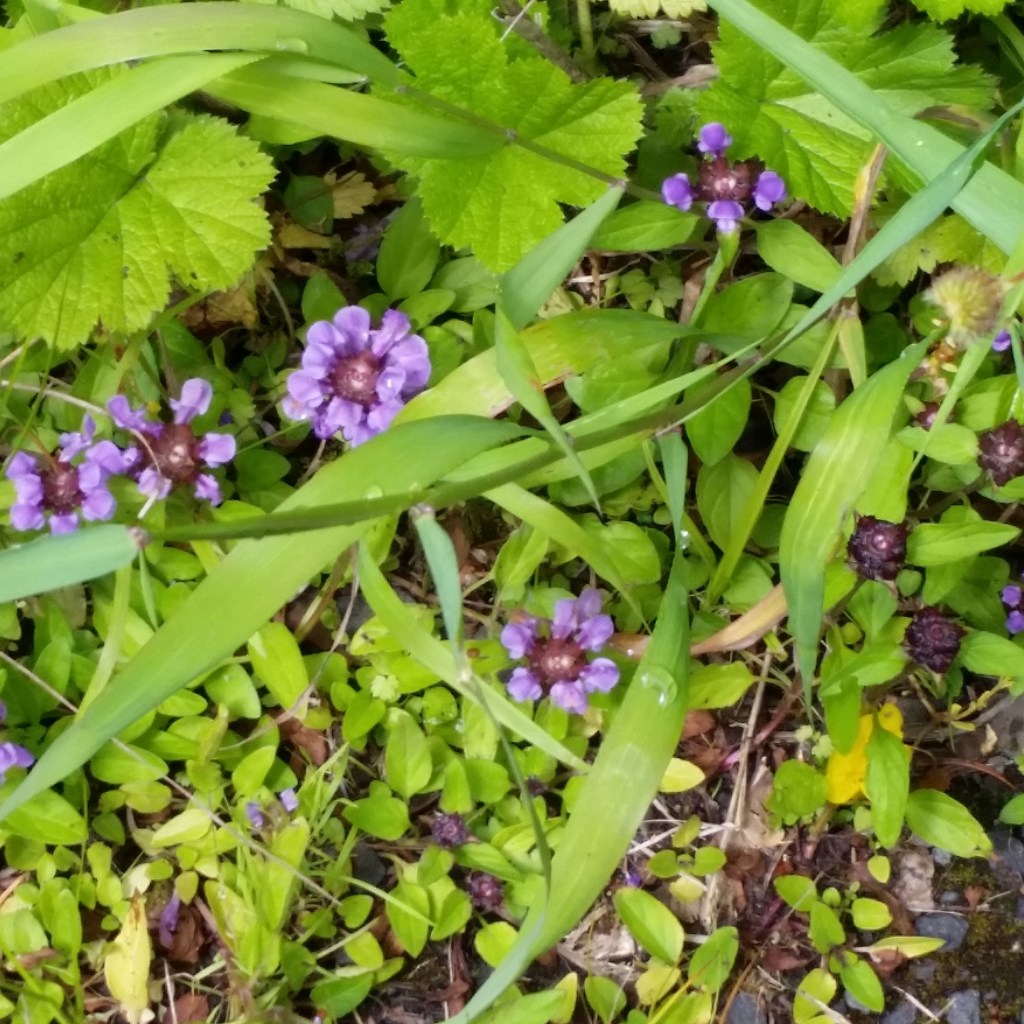
Filler words (weak words) can run rampant if you aren’t paying attention. Those pesky dandelions can do the same thing. We wake up one morning and they’re there. Overall they look pretty, but they’re still a weed and need to be gotten rid of because they do turn ugly. Filler words turn your beautiful piece of writing ugly too. You can’t see it though until you go back over your piece of writing and realize they are everywhere and they sound awful. A list of filler words are listed below. There are more than the ones I have listed here. These are just some of them.
Just
Only
Much
A lot
Perhaps
Always
Very
Really
Actually
Rather
Stuff
Literally
In order
That
Slightly
Seem
Sort of
Kind of
A little
Somehow
Can
Then
See/saw
Definitely
There are better ways of saying what you want to say without using the above. Do you have to go without using them? No. By any means use them if you so choose. But if you do, be aware they don’t pack a punch. Don’t get me wrong, sometimes you have to use them. In oral conversation we use these words all the time to get our point across and to emphasize something. In the written realm you want to make sure what people are reading creates the intended visual of what you’re saying to they’re retention of it is good. You want to make your point.
The question becomes: when do we use them and when do we not use them? There is a sure fire way to know this. If your sentence makes sense without it, delete it. Also ask yourself this question: is there a better way of saying this? If you get stuck trying to figure out a better word to use for a particular weak word, you can always go to Google and look up stronger words for the word ‘very’ for example. You will get a list of ideas.
Being concise is what you want, so be careful with what words you use. Write first fix later.

 WRITE TIME AND AGAIN