Blog Feed

Posted in Social

A Thorn in the Midst

Life can be happy. Well, for the most part until someone comes along and either does or says something nasty and/or out of turn. You can be in a group of people at a party having fun or even on the job working on a team and someone has to kill the fun. I call them thorns. You know, those individuals that strike when you least expected it. Much like when you’re trimming a barberry bush. You wear gardening gloves and handle those branches with care. Then you let your guard down and BAMB! You get stuck with one of the pickers. Mean people and pickers equals no fun at all.

There is a silver lining though. Sooth yourself with deep breath and move on. They are only one unhappy soul out there. Smile, be a light in someone else’s day, and let the sunshine in.

Posted in Poetry

Waltzing Heart by L. M. Montes

Dancing just, you and me, long ago, but no more,
in your arms, twirling so, spinning such, love for you,
music grows, sweetly now, slow it down, swish about,
lights dim to, darkness so, shadows float, soundless with,
eerie moon, beams so low, I’m alone,
fade you did, from this house, all that’s left,
is your ghost, haunting me, ne’er to rest.

Posted in Writing

Software for Novel Writing

Here is a list of the top software of 2022 for writing a novel:

The one I use is Scrivener, but any of these are good. The following link talks about each of the above four all in one place. That way, if you need one of them, you can better make that decision about which to use.

https://ameredian.com/best-writing-apps-book-writing-software/?gclid=Cj0KCQjw1tGUBhDXARIsAIJx01lUnqHVS5SmyR-Uxvrz83HLWdQtz-npSWaWYXjVDnEzds8SetdBqZYaAnEsEALw_wcB

Posted in Writing

The Tarnish

Draft one of your story is like tarnish on your good silverware or your jewelry. There are parts of it that are discolored, or in the case of your story, make no sense, or is in need of more information. Your grammar and spelling may need to be cleaned up as well. That’s what the first draft is: a mess that needs to be fixed. But, hey, you have it down on paper (in an electronic document) right? Right. That’s what counts.

Once you get that first draft done, that’s when it’s time to clean the “tarnish” off and polish it up. So, you go back to the beginning of your story and start reading through it, all the while making notations of changes you might want to make. When that’s done, go back to the beginning once more and make those changes you noted.

Keep going over and over your story like that until it’s the way you want it. Make sure everything makes sense. Lastly, you want to check grammar and spelling and word redundancies. When that’s done, you will have a finely polished story that will shine its brightest.

Posted in Fiction

Dare to Dream by L. M. Montes

Dare to look ahead,
remember the past of things done,
evolve to what might come,
avert a storm arising,
moving forward, now knowing.

Posted in Fiction

An Author’s Journey Pictorial (Fun with Pictures)

IDEA

Photo by MAFIK OLAMIDE on Pexels.com

JOT DOWN IDEAS FOR YOUR STORY

Photo by MESSALA CIULLA on Pexels.com

CREATE CHARACTERS

Photo by Ron Lach on Pexels.com

OUTLINE YOUR STORY (IF YOU ARE A PLANNER) AND WRITE IT

Photo by Ken Tomita on Pexels.com

YOUR FINISHED BOOK

Photo by d.n.c films on Pexels.com
Posted in Characterization

Character Richness

Have you ever read a book, and you liked the characters so much that you didn’t want the book to end? Oh yes, I’ve been down that road myself. That means the author did their job of creating characters that stand out and touch your heart. But, how did they do that?

  1. Their characters displayed emotion to the point that the reader ‘felt’ right along with them.
  2. The character displayed a habit or two. This personalizes the character, makes them human.
  3. The character was relatable. We as a reader could identify with that character. We may have understood what they were experiencing. If not, then we could at least feel for them and/or root for them.
  4. The dialogue sounded real and not mechanical or robotic. Maybe they made you laugh or cry.

These are just some of the elements a writer uses in order to bring a richness to their characters. Take your time developing them. Observe people around you and jot down notes of things you see or hear them say or do.

Posted in Writing

When You Get Discouraged

Not everything you do when writing is going to work out the first time around. I think you know this already, but sometimes we can still get discouraged and still need reminding. There are times when something in your daily life can bring you down. It can affect your writing whether you might think so or not. For some people it won’t, but not everyone is the same. Let it add to your writing instead of distract you.

  1. So how can you use that negative situation to strengthen your writing? Use it. Jot down how you’re feeling, then later, when you’re writing a scene that calls for those emotions, you can refer to your notes.
  2. Take a deep breath, relax, and focus on your story. When your mind tries to veer back to the problem that’s bothering you. Refocus on your story and take another deep breath.
  3. Surround yourself with someone who will uplift you. Talk to them about how your feeling. You’d be surprised the good this can do. Then your getting it out of your system.
  4. At times we get discouraged about our writing. Don’t get yourself down about that. Look at your previous writings that brought in a lot of praise. What did others like about it? Focus on that.
Posted in Writing

Story Tracks

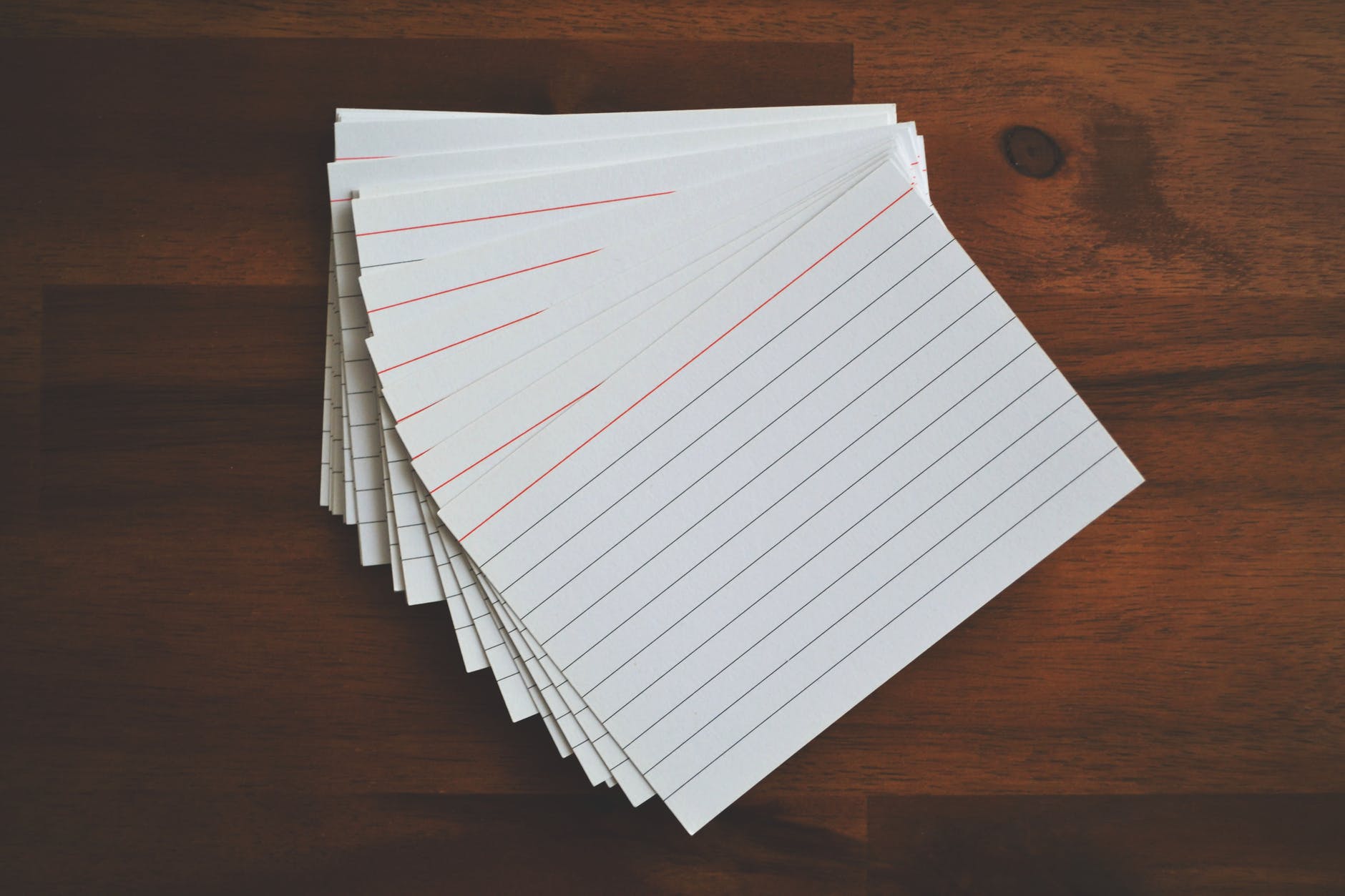
Keeping track of your story as you’re writing it can be daunting the lengthier it gets. You have to remember from one chapter and scene to the next what happens where. How does a writer track their stories information so that they can refer back? Story tracks, or at least that’s what I call them. In other words, note cards.

Photo by Pixabay on Pexels.com

For each chapter take a few note cards and jot down a brief summary of the chapter or scene, or jot down the main ideas about what is going on. By doing this, if you need to refer back to a previous scene or chapter in your manuscript, you can refer to your note cards for each chapter first before scrolling back through all those pages worth of text in your manuscript. Trust me, it will save you lots of time.