

The Cross’s Key
In a previous post I talked about types of tension and where you can find it. In this post I’d like to talk more about using it in your story in order to keep your readers turning pages. I’ve read books where, once the action starts, there is no stopping until the end. I’ve watched television shows and movies where the tension was like that, too.
What also works is what I call on again off again tension. This is when the tension is rising and has the reader/viewer on the edge of their seats, then the story does an abrupt change and goes to a different scene thus breaking the tension. Those are the moments when you, the reader, might stay, “Nooo. What happens next?” You might put the book down at this point because you’re frustrated or you might continue reading. But that’s up to you. Eventually, you will pick the book up again and continue reading. Although, I don’t see you waiting very long if you are wanting to know what happens next.
Either of these two ways of creating tension is effective. It all depends on the story you are writing and how you, the author, wants to create that tension. BUT…..however you present the tension in your story, it must build as the story moves along. Continue throwing conflict at your main character(s), and continue stepping up the “gas”.
Floating eyes moved side to side,
gazing in world filled wonder,
but when a hand prayed to abide,
the heart ran off to yonder.
Needles pointed inward,
stabbed the brain toward death,
the heart continued wayward,
and stole the lungs of breath.
Waves of goodness swept and swayed,
life’s ups and downs they fought,
then One above heard all I prayed,
in snares I wasn’t caught.
Whether you are writing a book or reading one, you’re choosing a genre.
Nonfiction, fiction, and poetry are the three main literary genres, but there are many subgenres within each of these three. I’m going to pick on fiction and list some of these subgenres below.
Let’s say you want to write a short story, but you don’t know which kind you want to write. Well, what interests you the most? If you are an avid reader of fantasy fiction, then chances are you’re familiar with that subgenre. In that case choosing fantasy would be best. But what if you wanted to challenge yourself and write in a subgenre you are not familiar with? Then choose one outside your comfort zone. If you do that, make sure you do your homework and read a few books or short stories in that unfamiliar subgenre and do some reading up on it. Trust me, they all have their particular rules one must adhere to when writing in them.
There is no hard and fast rule when it comes to choosing a genre. It really is up to you and what your goals are.
Stillness rages through the blood,
it doesn’t pump but floats along,
idly waving angst goodbye,
and resting hearts in calmness.
Nothing wages in my mind,
no lightning struck its worry down
to caste problems’ electric current
through the veins of life’s dark night,
only peace has struck its might.
So here in canyons looking down,
I hear an echo of yesterday’s taunts,
now, melted, broken ice,
warmth slid its soft feathers ’round me,
soothing lofty love of life’s kind gestures
upon the tranquil pillow of my soul.
When I was a kid, my sister and I would play pretend all the time. I loved those times because we didn’t have a care in the world. We didn’t have the responsibility of grown ups yet. The freedom to dream stuff up while we played brought about so much enjoyment. Then as we grew older our interests changed (obviously). I remember, too, as a kid, not wanting to grow up because it meant taking on responsibilities outside of being fun. I think many of you can relate. Then, when I did get older, I wanted those not so fun responsibilities. Why? Because it meant a whole different kind of fun. But the pretend didn’t go away. Not really. It changed course by coming in the form of story telling and poetry writing.
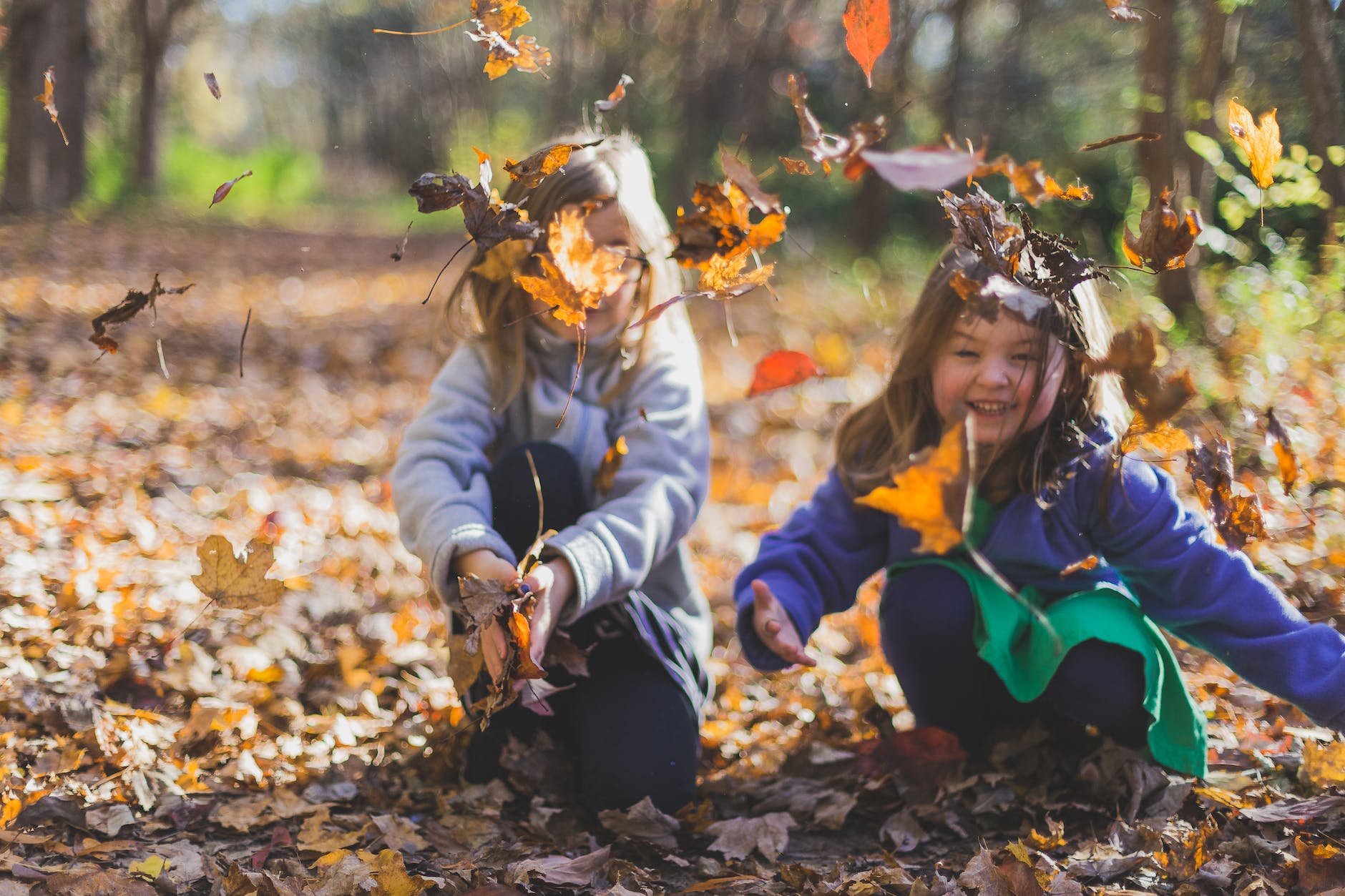
Writing fiction and creating poetry gave me that same playful satisfaction that playing pretend as a child had. But not everyone writes. We’re all different and, therefore, we enjoy different things. I have one friend who loves to fish and goes on fishing expeditions by himself. It’s a time for him to relax and regroup. Plus it gives that time to allow his mind to take in the beauty of where his is. If feeds his soul.
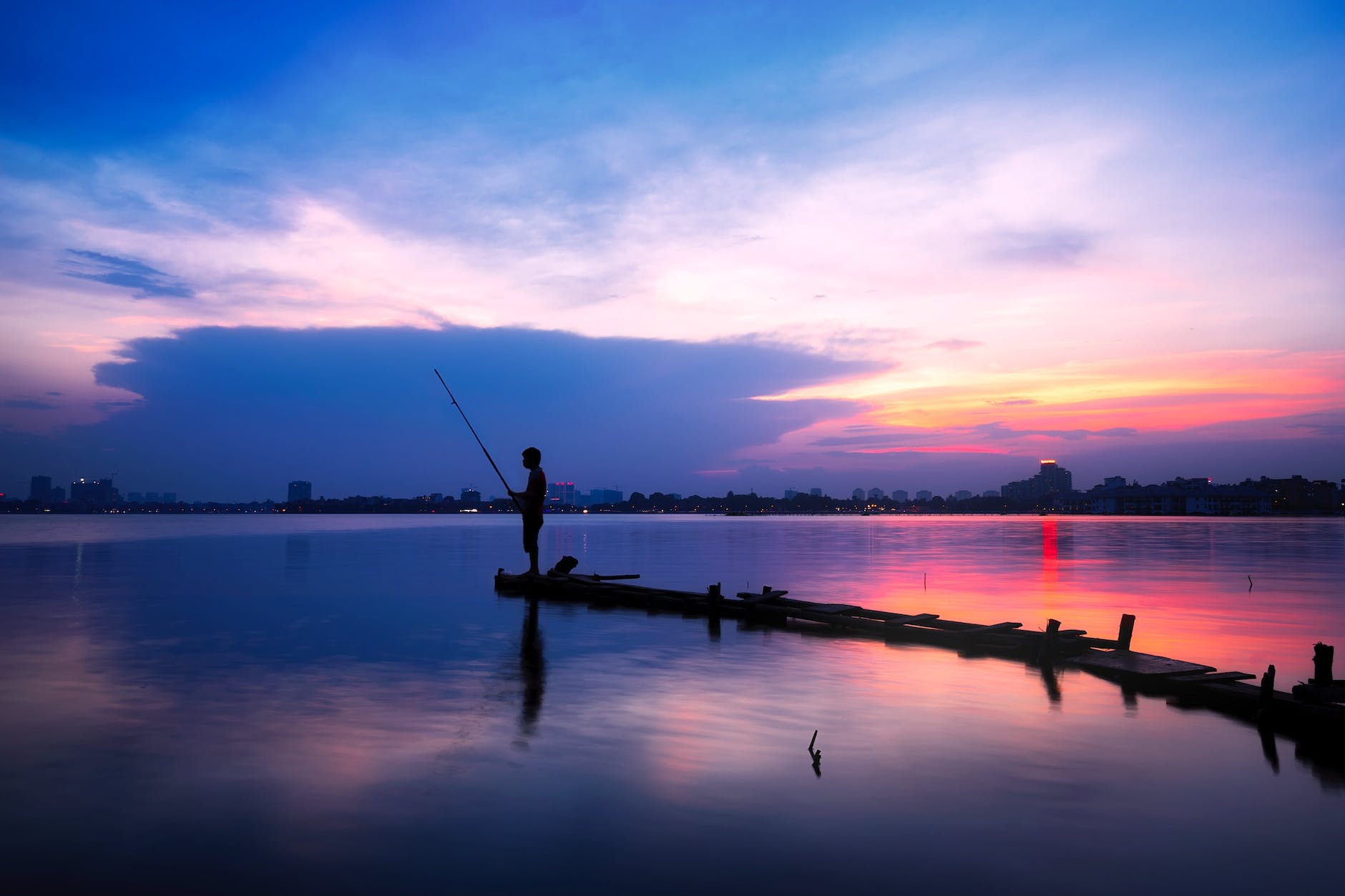
What is your pretend time? What is your enjoyment? If you don’t have anything that frees up your mind and body from the day’s stressors, find something. If you can’t figure out what that something is, try different things. For me, as mentioned above, it’s my writing.
A sparkle sprinkled through the day,
when welcomed touch you sent my way,
I turned and looked into your eyes,
there love’s wonder made me sigh.
But was it love or just a lie,
to raise emotions up so high,
then throw them down and cast away,
never to love another day.
As I saunter toward the river’s path,
a gentle breeze tickles my cheek and pass by,
floating, billowing, wafting about
and circling back while picking up scents
of violets teetering side to side.
I halt at the hint of violet upon the breeze,
wondering if the scent will carry itself back to me,
but no, it’s not to come to pass again,
just freshness, newness, playfulness of life
introduces itself to me with every step and passing breath.
Writing, whether you are writing fiction or nonfiction, is more than the act of writing itself. It is a process and it all takes time. Rushing through from the beginning to the end will only get you no where very fast. This is not a post about the writing process; although, that is come up in a future post. No. This post is about taking your time with it. Let’s dig in.
I understand the urgency to get the finished product in front of people. Trust me when I say, readers know when a writer/author sped through their writing. How, you might ask? The writing itself will be bad. There will be misspellings, awkward sentences, punctuation in places there doesn’t need to be any and vice versa, plot holes, and/or the format is all wrong. The list goes on and on. I’m not talking about a few errors, because we all make mistakes. I’m talking about many. You might say that a piece of writing like this needed a good editor. That is correct. However, here again, the time was not taken to even edit the piece. Editing takes time, too. Trust me. I’m not talking about a couple of days or a week. Instead, I’m talking about months. Then beta readers have to read it first before putting it out to the public. The beta readers, or test readers, will give you viable feedback in regards to what is and isn’t working with your story or book.
Once you get feedback from your beta readers, look at their recommendations one at a time, and fix them if you agree with their assessment. Remember, it’s your writing, so it is up to you as the writer to do with your piece as you see fit.
Here is a list that should give you a picture of the length of time it takes to write a book…..
As you can see, writing a book is not a quick process. Take great care with what you are writing. You want to please your readers not make them shut the book before it begins.
Moments flicker in the sun,
at times not seen,
as we run,
Stay and linger for a while,
bask in warm light,
and in style,
Maybe see me on the beach,
breathing salt air,
I outreach
for you who sees beauty’s dawn,
and sings to me,
songs bygone,
Sweetest scented breezes fill
me as you sing
of love’s thrill.
 WRITE TIME AND AGAIN