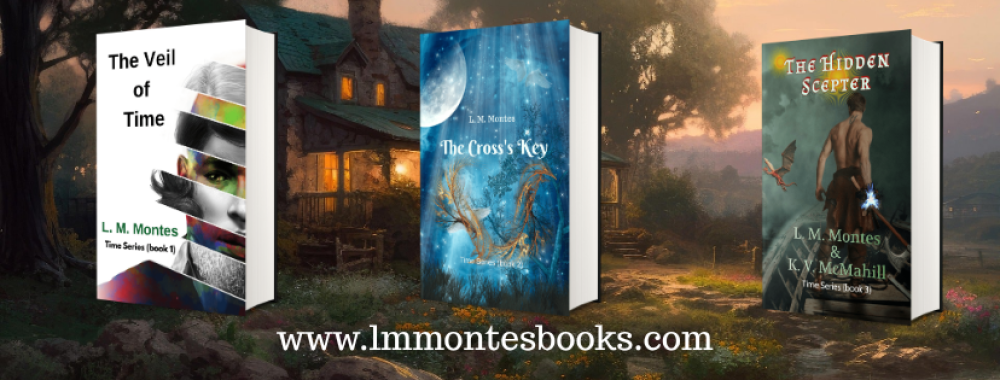
Hi everyone. My interview for Canvas Rebel Magazine went live last night (July 20, 2023). Here is the link below. I would love for you all to check it out.
A beach swathed in varied light as time moves on– mountains dressing themselves in snow with honored presence– melodious music sprinkling peace from beaks of birds– leaves on trees waving as wind rushes by– a kiss caressing a cheek– a hand holding the gentle and meek– passion’s emotive gaze from eye to eye.
If you are a writer, whether you write fiction or nonfiction, learn about what adds strength to your writing. There is a difference between what strengthens your writing, the do’s and don’ts (which are finite), and what works for you (writing methods that work for you and are comfortable for you). Strengthening your writing means drawing your reader into your story, essay, research, etc., and keeping them there. You don’t want your readers to be half with you. I’ll pick on fictional writing here. See the list below.
Use the three act structure for fictional stories. Story Structure–Demystified by Larry Brooks will help you learn where to put in your story what you write. Trust me…you want to read this book.
Be relevant. This means to make sure that what you put into your scenes has something to do with your story. There is nothing more boring than reading a book and being bored because what you’re reading has nothing to do with the story. Readers can figure out real quick when there’s information in a scene that doesn’t need to be there.
Edit, edit, edit. Edit your book/story first, then give it to an editor to do the rest. Trust me, too many mistakes will cause the reader to put the book/story down, not finish it, and/or give you a bad review.
Ensure your story has conflict. Conflict ensures the turning of pages.
Setting. The one thing you don’t want your readers to do is ask, “Where are they”, or “What do the surroundings look like”. Be sure to include where the story is taking place and describe it. You want your readers to ‘see’ where the story is taking place.
Don’t be predictable. Add some twists and turns, you know…unexpected story surprises. Have fun with this.
Learn how to write dialogue. Yes, this can be messed up if not done correctly.
Use of clichés. Don’t use them.
Unrealistic characters. Creating credible characters who’s motives, actions, and backstories is important if you want your readers to relate to them.
Unlikable characters. Your protagonists must be likable, and if they aren’t completely likeable, then they should be relatable. Create some kind of commonality through emotions or use of humanity. Here again, it’s about connecting your characters to your readers, so your readers will care about what happens to them (characters),whether it is the protagonist or villain.
Of course there are more, but this is a good ‘meat and potatoes’ list. Learn as you go.
I am human, I have a loving family, my name is Lisa, Jesus is my Savior, I wrote 2 books so far, the sky is blue even though clouds cover it, my cats name is Chuckie, stories are either good or needs work, I will pass away some day, and the oceans are vast.