Category: Fiction

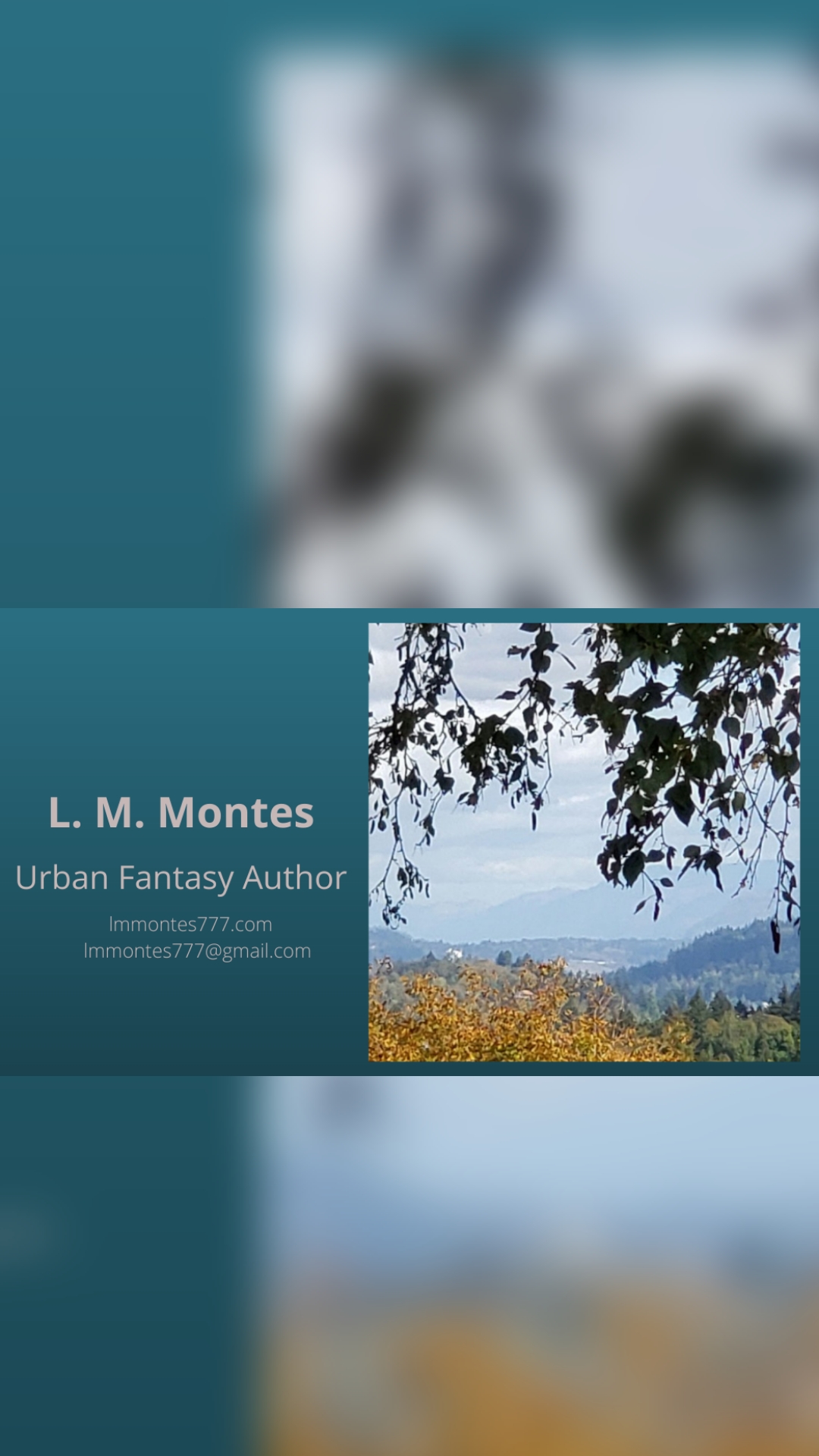
Congratulations to Author Kelly Miller
“A Consuming Love,” a “Pride & Prejudice” by author Kelly Miller #Regency #Romance has won 1st Place, Romance, Royal Dragonfly Book Awards!
Well done, Kelly. Many congratulations to you. We look forward to more great reads from you in the future.
At Audible! Free on KU!
https://t.co/aGfVR9Ql8m
Conveying Anger
I talked about emotions in previous posts in months past, but today I’m going to focus on one of them. Anger. I’ve said it before, you don’t merely want to tell the reader that your character is angry. You want the reader to FEEL the anger…right off the page.
Bad Example:
Dan was angry at the sight of his girlfriend in the arms of another guy.
Good Example:
Dan stopped short and did a double take, as he passed through the student union on his way back to his dorm. It couldn’t be her. No, no. His eyes betrayed him. After all, he saw the back of her head. It could be any girl. His brain wanted to leave but his feet stood glued in place, and his eyes were pealed on that one girl. Was it her? Was it Ann? Then, as if in slow motion, the girl turned her head, her eyes stopping on his. She smiled, then leaned in toward the strange guy and kissed him full on. A heat swelled within his chest. Why was she doing this? If she wanted to break up with him, she could have said something instead of this show. The heat within continued to swell and his nostrils pulsed. Before he knew it he was upon the both of them. His fists clenched to his sides.
From the Top of Pikes Peak

Colorado Springs, CO, United States of America
Word Selection
How picky are you with your words, when you write? Do you have to choose just the right ones in order for you to move on? Or do you belt them out there onto the page and rework them later? The first way can stop you up and prevent you from making headway at a steady pace. Because what happens is this: a creative idea for your story may have popped into your head, and you might forget it by the time you’re finished making your wording what you ultimately want it to be.
Get the words on paper first along with your ideas and worry about making them just perfectly right later. You can also make notes for yourself along the way about what you want to go back and fix. Your draft will still be there waiting for you.
Have a great weekend everyone, and God Bless 🙏
New Information

I’ve read that, when you get to Act III of writing your novel, you are not supposed to add any new information. But I’ve also read that it’s ok to break the rules of writing if it’s done well. So, do you add new information after Act III or not? I say, if it works use it. Then again, before you use it, run it by some beta readers (those who critique your work before you publish it) and get their feedback first. After all, you don’t want to push your reader fans away by disappointing them.
Blessed Be Israel

Blessings to you oh Israel,
God’s people may you stand,
In strength and honor, you are loved,
And held in Jesus’ hand.
Slow and Steady

When it comes to writing fiction, take your time. Slow and steady. Easy does it. If you rush your story or go at a faster pace than what you’re comfortable with, everything else in your story will fall apart. There is so much that goes into a work of fiction that to speed through writing it for the sole purpose of getting it done will only slow you down in the long run. You don’t want to go back and redo something that you could have had right the first time had you just took your time. So…slow down.
The Middle Pieces

Have you ever put together a jigsaw puzzle? What do you start with? The side pieces? The middle pieces? Usually one works with the edges first, then the middle, and the center (or near there) is the ending where the last and final piece of the puzzle gets put down and it all comes together. Usually, that is. Maybe you’re the kind of puzzler that works from the center to the outer edges (shoulder shrug here). It really is what you’re comfortable with. I like putting the edges together first and work my way to the center.
I write much the same way. I start with the beginning (edges) and work my way to the center (ending). (Laughing here) Sometimes I have my beginning and ending and work the middle last to bring it all together. But…what if your middle is in pieces. You have lots of ideas but you just are not able to bring them together and make them fit so that there’s a flow to your story. What are you going to make them fit?
IDEA BOARD
- Go back to your writing journal if you have one (or whatever you use to write your ideas in/on) and read through what you have in way of ideas. Write each one on a separate note card.
- Get a bulletin board, a white board, or your floor if that’s what you prefer.
- Lay out your ideas in an order to your liking.
- Now, play connect the dots. How do these ideas connect to each other? Many scenarios will jump into your head as far as connections go. Why? Because here you’re taking a step back and looking at the big picture. If you’re an auditory learner, read each idea a loud off the board as you are trying to come up with a way to connect them.
Writing That Stings

What is it about a piece of writing that keeps you glued to the pages? Is it just one particular writing element that does the job, or is it more than one? I’m currently reading a mystery thriller series by Jeff Carson. It’s the David Wolf series. If you haven’t checked out these books, I highly recommend them. In less than a week I’ve finished the first five books and am on book six right now. What is it that keeps me reading them?
- Characters–The characters are unique and lifelike. Each of them have their own set of problems, likes/dislikes, habits and quirks, etc. You don’t end up liking or disliking them because you’re supposed to. You do that because these characters are very three dimensional. They jump off the page. They are real. You want to be ‘around’ them.
- Description–The setting is richly described and also jumps off the page. The reader is able to see the environment and be a part of the story. The author does this though without being too descriptive. It doesn’t take away from the story. If you read these books, you’ll find that the descriptions add to the story and provides clues.
- The Story–YES, the story itself is extremely compelling. You’re eyes/brain will be glued to the pages. The cause and effect of the plot structure is expertly done. Everything happens for a reason, whether you the reader thinks so or not.
So, you see, drawing a reader into your story is done with various tools, not just one. But, essentially, how you do that is up to you. After all, it’s your story.

