
Issues spatter all around,
leaving a mind struck, not sound,
tis a guide to dullness feed,
for goodness one does want and need,
hoe the dirt and human weeds
and find the sprouts of mustard seeds
lifting tall and growing delight,
a faith in all that’s good and bright.
Blog Feed
Beginning a Scene (Part II)
I posted on October 22, 2021 an article about beginning a scene with action. Continuing that, we move to beginning a scene by creating a question in the reader’s mind. This doesn’t mean the author asks a question in the first paragraph. All it means is the situation at the beginning of the scene is done in such a way that the reader must continue reading in order to find the answer to what the information at the beginning of the scene is hinting. See the example below.
Example
Dan did a double take as he glanced up at two women, a blond and a redhead, entering the club. He’d seen the blond female before but couldn’t place her. Maybe she was only a face in the crowd. A nudge on his right shoulder interrupted his thoughts.
“Hey,” said Dwayne with growing impatience. “You join in the rest of the gang or what?”
“Yeah, yeah.” Dan turned back to the two women, but they’d disappeared. Shooting a glance in each direction proved fruitless. He ran outside and peered in each direction to no avail.
The rest of the evening, though full of laughter all around, continued to plague him as his thoughts returned to the blond.
The reader is left with a couple of questions:
1. Who is the blond woman?
2. Why is she so important?
There is enticement here. One wants to continue reading to find out who she is and what is the situation behind his familiarity of her. No action is really needed here. Although, one could easily add some to increase the velocity of the story pace.
Tuned Out by L. M. Montes
Talk is words,
nothingness pushed forth,
ears hear sound,
but words not profound.
A rain so dull,
no growth it brings
from what you are saying
as I sit and start praying.
Joy I could feel,
if all remained quiet,
but droning of sound
continued as underground.
A hand pushed up,
your words to stop,
and silence ensued
as your words ran askew.
Campfire by L. M. Montes
Pine needles gather as pines tend to scatter
when dry invades the dew,
on trails I saunter,
over and yonder,
to a campfire and a lingering you.
As an ebony sky flicks on its lights,
and fires die then smoke,
your hand touches gentle
the side of my temple,
when I lay my head just right.
Upgrade
What do you want to learn? What interests you? Do you ever know all there is to know about what you do know? Lifelong learning. That’s where it’s at. One of the areas that interests me the most is writing fiction. Even though I write a lot, doesn’t mean I know all there is to know about it. I am always eager to know more. So I look at what others do and take my cue from them. I can use that to come up with my own tricks, so can you. I enjoy reading books about writing. Even though I am published, I still yearn to know more.
But, know this. Take what you learn and make it your own. What works for others might not work for you. I learned this lesson early on years ago. I found that a combination of methods works for me.
Whatever it is you enjoy doing, continue to learn about it. Be a lifelong learner of what you do. Continue to upgrade what you enjoy.
World Building
What’s in the world around you? Do you at times cringe at what you see? Do you take pleasure in what beauty befalls your eyes at various times? Or do you turn your back on it and say “BAH”? Well, I say there should be a happy medium of both good and bad and then make it what you will.
When we as adults are learning something (whatever it may be), be bring to this new knowledge our prior experiences so as to make comparisons. In turn this brings understanding. Plus, we can use the prior experiences of others to learn from as well. What you are doing here is building your knowledge, increasing it even, so you can draw upon it later and use it.
In creating a fictional world, we are doing essentially the same thing. We draw upon what we know of our everyday world around us and places we’ve traveled to and fictionalize them, or we use bits and pieces of it and create a world of fantasy and magic.
Use what you see. Take notes of it. Brainstorm ways you can use it. Draw a map of your created world. But don’t stop there. There is more to world building than its looks/appearance. Made up world have their own government, gods, religion, beings, environment, etc. Below are some links to some great books on world building.
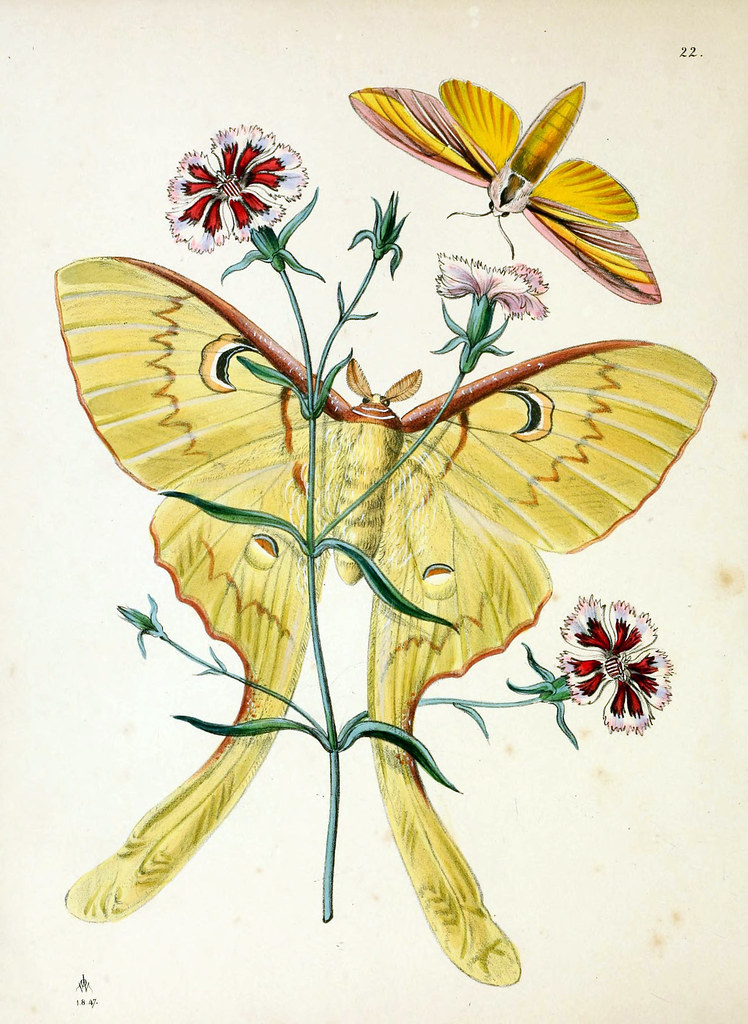
The Dancing Butterfly by L. M. Montes
Wisk, swish, soar, swoon,
on pockets of air it flips,
up, down, back, forth,
‘fore shadows tap the moon.
He Has Risen
For God so loved the world, that he gave his only begotten Son, that whosoever believeth in him should not perish, but have everlasting life.
John 3:16
The Storm by L. M. Montes
Shadows rise when thunders rumble,
decimating me till I crumble,
carry me, I ask,
to safety, which I lack,
so that I may not tumble.
Alas the lightning strikes,
brightening life I do not like,
at times, it’s bad,
and even, so sad,
but I remain upright.
Lazy Summer
I was creating a bracelet this morning when a song started playing in my head. No, I didn’t actually hear it, but I started thinking about it for some unknown reason. You know how that goes. The song was Those Lazy Hazy Crazy Days of Summer by Nat King Cole. It drew me back to summers of long ago, camping, campfires, warm weather, picnics, family vacations, childhood memories of playing outside all day, and the list goes on. It doesn’t matter where you are from or what your culture is, there are songs that bring back memories like this. Granted, we all have bad memories, but songs like this that bring back the great memories are cherished and above all else, timeless, such as this one. Here is a link to it below I found on YouTube:
 WRITE TIME AND AGAIN