Posted in Writing

Metaphor

Definition: (from Dictionary.com) “A figure of speech in which a term or phrase is applied to something to which it is not literally applicable in order to suggest a resemblance”.

Examples:

  • His hand on my shoulder is a frigid icicle.
  • The house was hot furnace.
  • The sand is a blanket underneath me.
  • The wildflowers are a color wheel.
  • The stain was an annoying fly; always around and refusing to go away.

As you can tell by these examples, pictures are created within the readers mind that heightens their reading experience. They pull the reader into the story.
Posted in Fiction

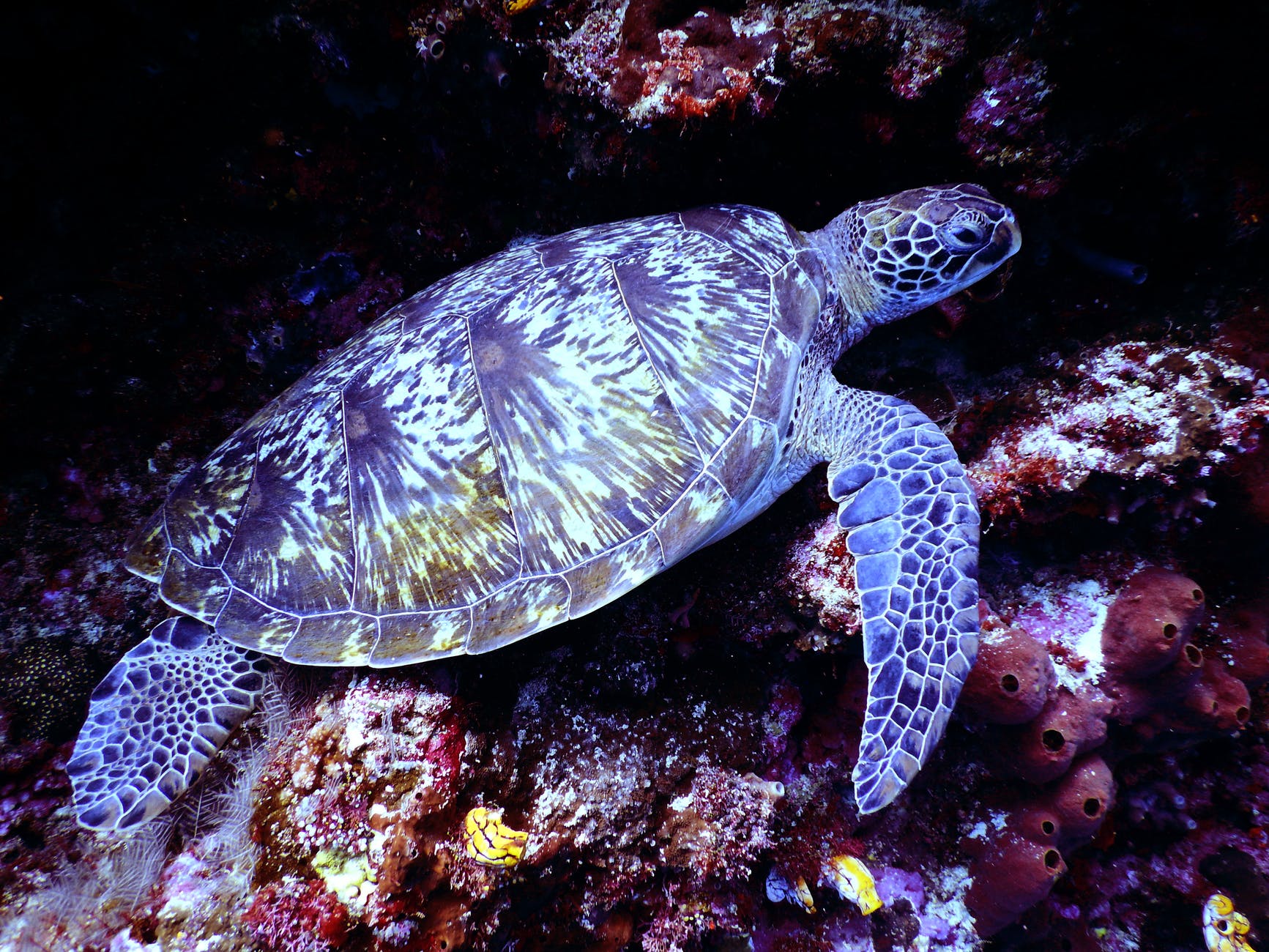
Slow and Steady

Photo by Tom Fisk on Pexels.com

When it comes to writing fiction, take your time. Slow and steady. Easy does it. If you rush your story or go at a faster pace than what you’re comfortable with, everything else in your story will fall apart. There is so much that goes into a work of fiction that to speed through writing it for the sole purpose of getting it done will only slow you down in the long run. You don’t want to go back and redo something that you could have had right the first time had you just took your time. So…slow down.

Posted in Poetry

Response by L. M. Montes

Photo by Anna Shvets on Pexels.com

When a plant wilts,
do you feed it or let it die?
When the sun shines,
do you hide or in the sand lie?

In a moments time, when things can change,
do you shrink or life embrace?
When enemies use division’s knife,
Patriots rise and fight with grace.

By L. M. Montes

Posted in Writing

Metaphor and Simile

Photo by Sora Shimazaki on Pexels.com

Comparisons, we all make them whether we are aware of it or not. We do this for emphasis in making clear a point we’re trying to make. In writing we use comparisons for the same reason, but add to that, visuals. If we want our readers to know just how big something is, we need to go beyond using the word big or huge or even gargantuan. Readers want to SEE the hugeness. Two forms of comparison writers use to accomplish this is:

Simile–Comparing using the words like or as.

  • His mouth was thick like paste.
  • The cat’s eyes glowed in the dark like twin moons.
  • He smile was as bright as the sun.

Metaphor–A direct comparison.

  • The warm sand is a blanket.
  • The sound of his laughter was a dogs bark.
  • The moon is a lightbulb.

Posted in Writing

Writing Fun

Photo by George Milton on Pexels.com

When I was in high school, I went to the Rueben Daniels Center of the Arts and Sciences. In my dance class we learned about theme and variation. What we had to do was choreograph a dance routine that was about one minute in length. Once we had our routine down, we had to choreograph two more dance routines based on the first one. More precisely, they had to be variations of the first by modifying it somehow without changing it completely. With writing this can also be done. Create a scene. Then, create two more scenes by varying the first scene. But, don’t vary things too drastically. It needs to be clear that your varied scenes are essentially the first scene but with slight differences.

What does this do? It works at developing creativity. It’s like a brain workout except its “bench pressing” words instead. So…have fun with it and think outside the box.

Posted in Writing

Personification

Photo by Marina Zasorina on Pexels.com

Personification–Giving inanimate objects human qualities.

  • Examples
    • The flowers danced in the wind.
    • The wind reached its fingers inland, grabbing those it could at high rates of speed.
    • The sun smiled down as it lit up the day.

As you can see, giving human qualities to inanimate objects goes a long way when it comes to putting emphasis on various aspects of what you’re writing. Doing so also makes your writing stand out in way of creating better visuals for your reader.

Tip: Give yourself an arsenal of ideas to pull from by brainstorming examples of personification (and other literary/poetic devices) and writing them in your writing journal.

Posted in Social

Color Splash

Posted in Social

Uniqueness

Posted in Social

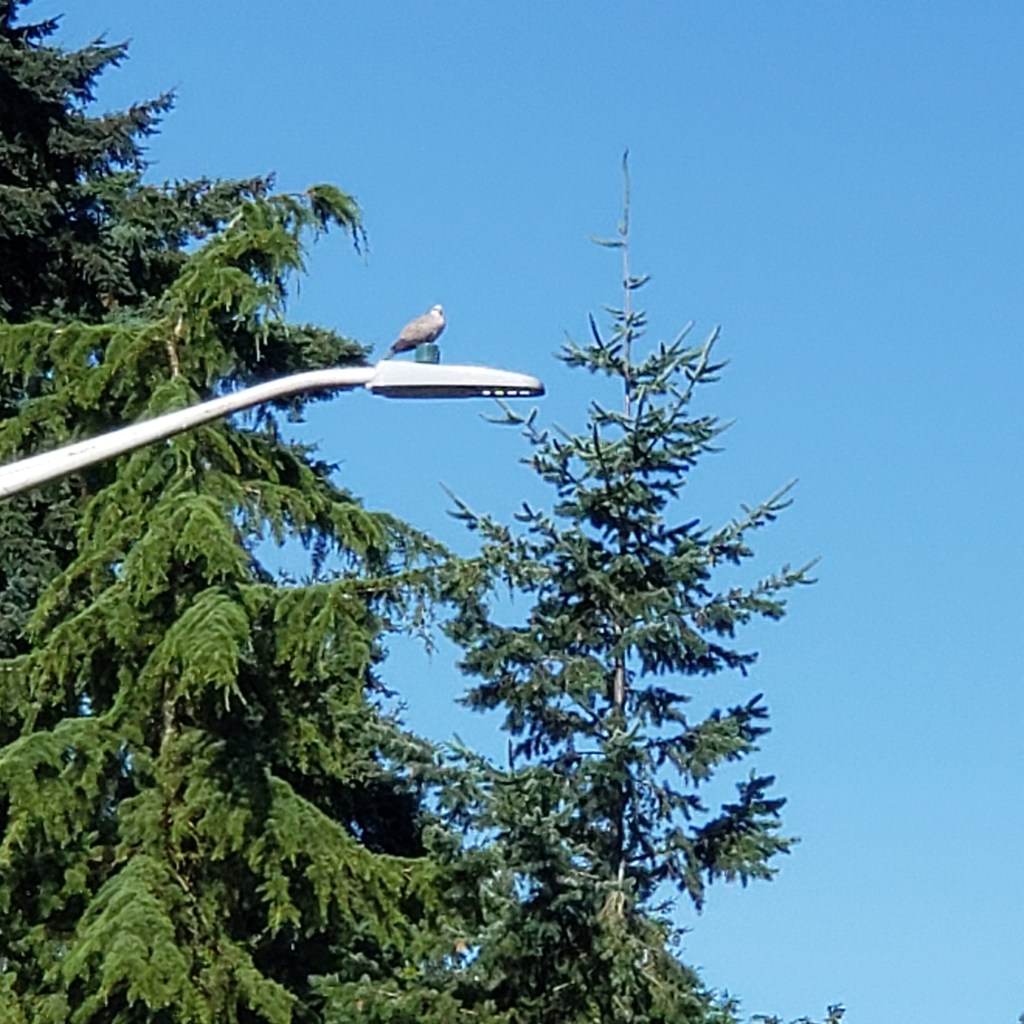
A Dove Greeting the Day with a Morning Coo

Good Morning Everyone 🙏 🌄
Posted in Writing

Assonance and Alliteration

  • Assonance–The repetition of vowel sounds across a line of poetry or text
    • Sweep the tree needles near me.
    • Stinker Tinker shuffled his feet along the rough ground.
    • The knife caught and left me wrought.
    • Smoke grabbed hold and I choked.
  • Alliteration–Words in a line of text that all begin with the same letter or sound.
    • The wind whipped across the plains.
    • Thick thistles picked my fingers.
    • Sally sat on the large log.