Posted in Writing

Assonance and Alliteration

  • Assonance–The repetition of vowel sounds across a line of poetry or text
    • Sweep the tree needles near me.
    • Stinker Tinker shuffled his feet along the rough ground.
    • The knife caught and left me wrought.
    • Smoke grabbed hold and I choked.
  • Alliteration–Words in a line of text that all begin with the same letter or sound.
    • The wind whipped across the plains.
    • Thick thistles picked my fingers.
    • Sally sat on the large log.

Posted in Writing

Words As Clay

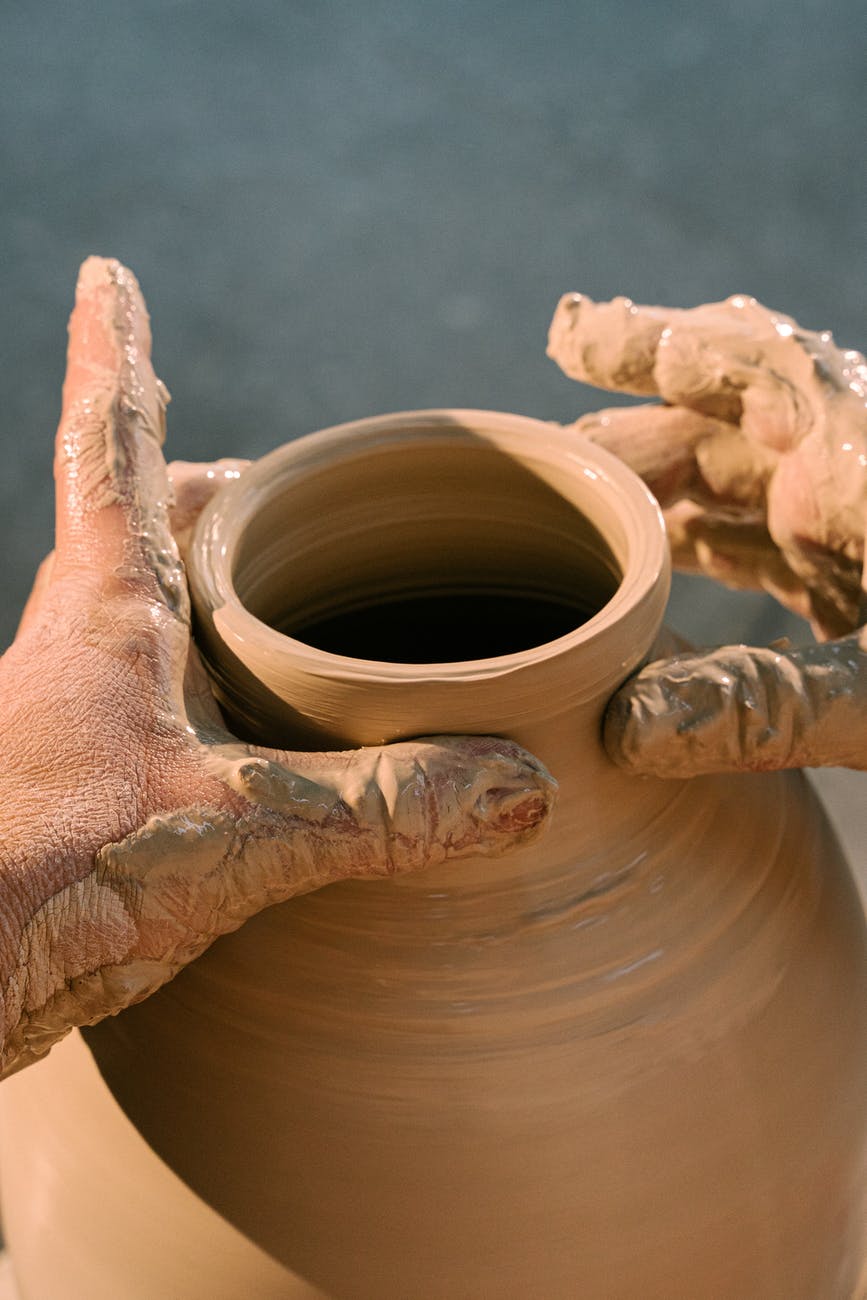
Photo by Anthony Shkraba on Pexels.com

You’re in the middle of writing a story. You are at a point in your creation where you need to add some friction or a tense moment. You know what needs to go into the scene. You can see it in front of you (so to speak). But, what can you do to intensify the suspense? Yes, you know what will cause it, but how can you bring it more to life and jump off the page? Word choice. Not just any choice of words either. You need words with certain sounds that, when put together, bring about a certain feeling or whatever feeling you’re trying to convey.

What sounds in the following sentences add to the intended feeling?

  1. Tension–The stranger’s body thunked to the ground, when the knife pierced his chest.
  2. Eerie–The air’s cold finger touched the back of my neck in spite of the warm breeze coming in off the lake. The shadow wafted over the sand, paused, then glided onward.
  3. Joy–The shiny bells glistened in the candlelight, as the children opened their presents.
  4. Sadness–Tears formed in the corner of her eyes then trickled down her cheeks as she gazed into the casket that contained the mother she never got to know.

Whichever sounds you use in your writing is up to you, but using various literary devices can certainly help with this. Some of them are listed below.

  1. Assonance
  2. Alliteration
  3. Personification
  4. Metaphor
  5. Simile
  6. Allusion
  7. Onomatopoeia
  8. Imagery
  9. Foreshadowing

In future posts I will cover each of these more in depth. In this post I just wanted to bring them to the surface. I know though that we use these devices regularly in our writing without thinking about them. But, when you are writing a particular scene and need to create a certain feeling and nothing is coming to you, then the above devices are a great arsenal to draw from.

Posted in Writing

Write the Good Write

Posted in Writing

Pretend

As a child, did you ever play pretend? It’s the ultimate use of the imagination. At some point along the way many people stop playing pretend and enter into the world of reality. Their focus turns to something else. That’s ok. There’s nothing wrong with that. For authors though, the pretending doesn’t stop. We like to play pretend. It’s how our books get written.

When I was a child, I loved to play make believe. I daydreamed a lot (to my teachers’ angst). As I grew older, the thought of writing stories and poems became my focus. I had much to learn about the writing process, but I didn’t let it stand in my way. You shouldn’t let that stand in your way either. Learn it, use it, keep it. Never lose that hunger/passion within you that wants to write. Write for your pleasure and to make others happy. AND, above all else, KEEP PRETENDING.

Posted in Writing

Metamorphose

Photo by Anthony on Pexels.com

At first your story is what you want it to be. At first. Then, you leave it for a determined amount of time, after which you go back to it. You read through it again, and other ideas begin to churn in your mind. You end up deleting much of the original, adding to it, and/or changing it. This period I like to call the cocoon because it’s not yet ready to see the light of day. How do you know when it will be ready? Well….you’ll know.

My novel The Triunix of Time started out as a romance under a different title. Talk about change. The beginnings of it and my notes and jottings in my journal were nothing that ended up in the final draft (I still saved it all. See my post entitled Old Writings.). How did this change come about? I talked to a college professor of mine who gave me some suggestions having to do with magic. This turned me on to the fantasy genre. I started thinking of all the possibilities that could come from writing in that genre, and the ideas were endless. I could still put some romance in it, but that ultimately took a back seat.

Over all, our minds are the main focus of that change. We collect information from the outside, bring it inside, work with it by molding it and let it take shape. Then our creation appears for everyone to see and take part in.

Posted in Writing

Snippets

Photo by Laker on Pexels.com

When you’re writing, whether it’s a short story, a novel, or a poem, do you pay attention to what is going on around you when you aren’t writing? Sometimes I’ll write down what I hear/see in my journal for later use and sometimes I don’t. Most times I remember. I know what you must be thinking. “How can you remember all that?” Well, I don’t. It isn’t until I’m writing a scene, and what I’m writing triggers a memory of something I saw or heard, then if it fits the scene, I use it. But, most often it’s only snippets of a conversation or something I saw that I end up using. Journals are a wonderful thing though and can contain a treasure trove of useful info. Take what you can from real life and mold it like clay.

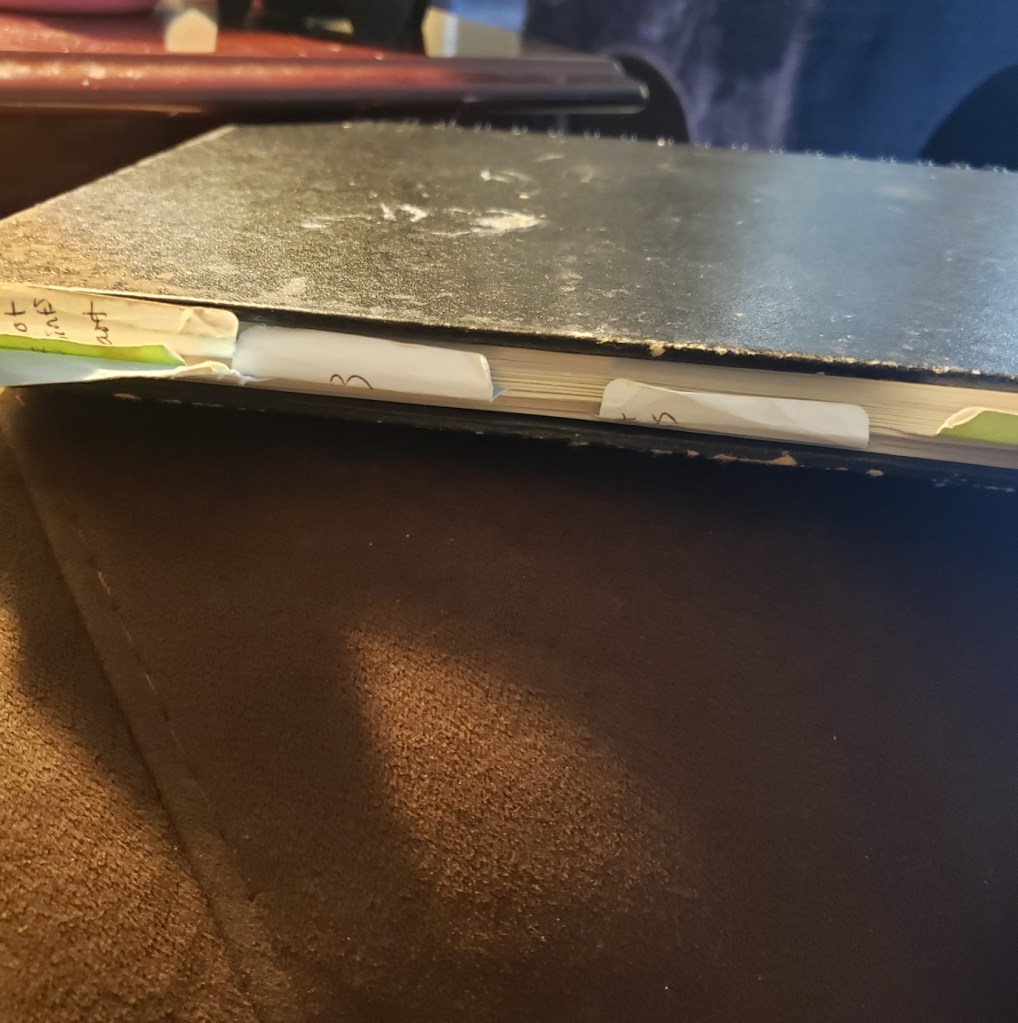
The pictures below of are my journal for my novel The Triunix of Time. As you can see from the warn tabs and such, it’s been used quite a bit.

Posted in Writing

The Music of Writing

Photo by Pixabay on Pexels.com

Do you listen to anything while you are writing? More specifically, do you listen to music while you write? I have found that it helps inspire certain types of scenes. For example, if you are writing a romantic scene, you might listen to some easy listening type of music. Also, if you need inspiration for danger within a scene, you could listen to music that brings across that feeling of foreboding.

Years ago I was listening to some music while writing some poetry. As a happy surprise, when reading the poem later after it was finished, I was told by others that they could “hear” a song while reading it because there was a cadence to the words as they read them.

Add music to your “playdough” mix of words. The results may surprise you.

Posted in Writing

Old Writings

Photo by Lisa on Pexels.com

While you write, you accumulate many many pages of writings. Some of them you use and some of them you don’t. You may even keep a journal with your ideas in it. Or, you might also have a three ring binder you keep notes and writings in. After some months or years, you publish a novel or two. What do YOU do with your notes and writings after you’ve published your book(s)? Do you keep them? Do you throw them away?

If you throw them away, that’s your choice. You are well within your rights to do that. BUT, that means later you can’t go back and look over them when you need inspiration. Yes, inspiration. Let’s say you’re in the middle of writing book 3 and you are stuck. Will you have those old writings to draw from? You never know what might get your “gears” going again.

Keep those old writings. They will help you.

Posted in Writing

The Pushoff

Photo by James Wheeler on Pexels.com

That moment before you start. Your mind is filled with so many thoughts. How do I begin? I know what I want to say; but how to write it in such a way that hooks the reader? Will what you write be good? Will it hook the reader? Will it inspire them? Will my beginning be as good as the beginning of my last book/story? What if I “sink”? What if it “takes off”? Yes, I can do this.

It’s all so thrilling isn’t it? You may have written many books/stories before and still have these questions going through your mind before you start. You want to make your readers happy, and you want them to have fun. Not to sound pessimistic, but we can’t please everyone. Many will enjoy your stories/books and many won’t. So, relax. Have fun. Don’t stress yourself out. The truth of it is, you have what I call “Your Circle”. These are the people who you trust to give you an honest critique of your writing before you publish your work. If your beginning, middle or end or anything in between doesn’t sound right, they will tell you. Listen to what they’re saying, take it into consideration, and go from there. If you’re new to the writing craft, your self-confidence may need to be built up more. If you are more experienced, you may have more confidence and so on.

Trust yourself. Based on your writing experiences you will come to know what is good and what needs to be scrapped. So…..DIVE IN. Enjoy.

Posted in Fiction, Writing

Emotions

You’re creating a scenes within your novel. You want your audience to not only know what is going on but to feel what is going on as well. Is it enough to just describe the action, setting, and characters? No. Emotion must play a large role if your readers are going to keep reading. You want your readers to feel your character’s vulnerability, excitement, or sadness (and more). So, how do you do this?

When you’re watching a TV show or movie, you are able to SEE the characters’ emotions, but in a book readers aren’t readily able to SEE that, so they need to be SHOWN. Words aren’t enough, so we will need to insert some body language.

My previous post talked about emotions as it related to atmosphere/setting. Let’s go a little further with this; specifically, the scene itself. A scene occurs within a setting, so your descriptions of the actions and body language in conjunction with the surroundings will bring forth that emotion. The result? When done well, these emotions will ‘touch’ the reader and further draw them into your story.

Below are some short examples of visuals depicting emotion.

Sadness = downcast, a tear escaping down one’s cheek, sagging shoulders, shuffling feet with hands in pockets….
Excitement = smiling eyes, hurrying and bustling around trying to get ready to meet a particular someone they’d been wanting to meet for a long time, jumping up and down, a victory dance…
Relaxed = warm breeze, deep breath, a soft sound such as waves strolling onto shore, the rustling of leaves as the breeze whispers through them…
Anger = a blank stare, pursed lips, contorted face with squinted eyes, talking through one’s teeth, redness in the face…
Embarrassment = blushing cheeks, shy smile, glancing around the room as everyone stares at them, running out of the room…
Danger/Foreboding = a twisting in one’s gut, something is too neat, an unexplained noise, the lighting, shadows…

There is so much more that can be added to these examples, but you get the idea. It isn’t easy to incorporate emotions into a scene. You might have to experiment and play around with words before you FEEL that you have the right wording that will effectively convey just the right emotions to your readers.