Posted in Characterization

The Observer

As a kid people always told me how quiet I was (I still am). It surprised me (and still does) that some have a problem with that. The truth is, being quiet is part of my personality. If there is something to say, I’ll say it. I’m not the only quiet human. There are others. But there are times when I’m not. I like to be goofy and joke around, just not all the time.

What I’ve noticed though, after my dad pointed this out, when I am quiet, I am observing other people. How they talk, their mannerisms, their physical attributes, their speech patterns, everything; I take in everything. Here again, that’s how I have always been. Does this mean I observe everything around me? No. LOL. My husband is good at that. We compliment each other in that way.

If you are creating characters, be mindful of them (their mannerisms, physical attributes, language, etc.). Observe other people and write down what you observe in a character journal so you can use that information later when creating a scene/chapter in your story/novel. Or if you’re in the process of creating a character, those observations can come in handy.

Posted in Characterization

Character Names

How do you choose names for your characters? Do you merely assign them a name without giving much thought to it? Do you use a process? There are quite a few things one can do to assign names to their characters. I’ve used a baby names book. Looking names lists online works too. If your character is of another culture or country whose names are different than those used in your own, some baby names books have lists of common names used in different countries.

In one of my pieces of writing I used characters of 4 real life people. I asked them permission first. Please, if you are ever going to do this, ask that person or persons permission to use them in your book/story. When I was renaming these 4 people for my story, I tried to choose names that fit their personalities. Trust me, this wasn’t as easy as it may have appeared to be. One gentleman helped me with that, so that one was easy enough to put a name to. The other three took some thinking. I got my baby names book out and browsed male names. I thought of each person individually and then tried out a name on them. I went through several before settling on some that worked well and matched each of their personalities. There was only one problem. One of the guys I couldn’t think of a name for. At all. So I, for the time being, left his name alone and used his real name until I could think of one that suited him. FINALLY, after writing 25 chapters, I thought of the perfect name for him. Of course, I had to go back and change his name throughout the manuscript, but it was worth the wait.

Most often you’re not going to use real people. But the same thing still rings true. The people you make up will have personalities and you will have to choose a name that fits that personality. Also, if you are going to assign a name to a character that sounds funny or out of place, you might want to explain why they were given that name by making that part of your story. For example, if you give one of your female characters the name of Spunky Dickson (a funny name for a female anyway), have the character tell why her parents named her that. Maybe the whole story centers around that. Maybe Spunky is a nickname.

Have fun choosing names for your characters. Don’t make it a chore. Work with it and mold it into your story.

Posted in Characterization

Types of Conflict (Part 6): Person vs. Supernatural

This is when the main character finds himself/herself going up against a vengeful god/being or other supernatural force. A ghost comes to mind here.

Who hasn’t read a good ghost story or seen a spooky movie? This conflict deals with man versus something other worldly. Yes, that means ghosts/spirits. The Amityville Horror Movies are great examples. Do you like ghost stories? I do. To a point. I’d rather watch one that read one though.

Book Examples with Man vs. Supernatural Conflict
1. Seven Sisters (book series) by M. L. Bullock (I highly recommend this series).
2. The Amityville Horror
3. Prodigal by Judy K. Walker
4. The Vanished Series by B. B. Griffith
5. The Ripper by Jon F. Merz

Posted in Characterization

Types of Conflict (Part 5): Person vs. Self

This type of conflict is between a character and their inner self. Don’t we go through this type of struggle on a regular basis?

Examples include:
1. Lack of self-confidence
2. The feeling of guilt when you do something against what you normally would do.
3. Love conflict: When you hurt someone you love.
4. The struggle of having to do something you don’t want to do but have to do. A great example of this is in Lord of the Rings when Frodo struggles with his destiny of having to destroy the ring.

Other Movie Examples of Man vs. Self
1. Buzz Lightyear in the first Toy Story movie. He’s a toy but doesn’t realize he’s a toy.
2. In the movie UP, Carl Fedricksen the grumpy old man is cynical and struggles with the cynicism that has encompassed him and the adventurous spirit he once was.
3. Tangled. Rapunzel struggles with wanting to stay in the tower or defy her mother and venture outside and leave the tower.

Posted in Characterization

Types of Conflict (Part 2)

Part 2 focuses on the type of Person vs. Society conflict. The Scarlet Letter by Nathanial Hawthorne comes to mind. In this story (set in the 1600’s) Hester Prynne, the main character, receives public shaming when she, a married woman, has a child out of wedlock.

Another example would be To Kill a Mockingbird. This book is from the point of view of a young girl named Scout. It follows her “from innocence to experience when her father confronts the racist justice system of the rural, Depression era South.”
https://www.sparknotes.come/lit/mocking/plot-analysis/#:~:text=To%20Kill%20a%20Mockingbird%20tells,rural%2C%20Depression%2Dera%20South.

Posted in Characterization

Habits and Mannerisms

What can you do to make your characters stand out as individuals? Well, there are quite a bit of strategies you can try, but two of the most popular ones to try are to give you characters habits and certain mannerisms. Think outside the box with this. Get creative. I say this because, one of the things you want to avoid is making your characters like everyone else.

Example:
Maybe you have a character who, when they are deep in thought, not only creases their brows together, but they also place a hand on their hip and scratch their cheek with the other at the same time. Then they lean on their other hip, place their opposite hand on that hip and scratch their other cheek with their other hand.

Yes, one would normally call this fidgeting, but it is very specific and the reader gets to see just how they fidget. The details of these movements causes this character to stand out. That’s what you want.

Posted in Characterization

Villains (Part VII)

Photo by Erik Mclean on Pexels.com

When you’re in a competition, you give it your all, everything you’ve got. You may be nervous at first before you start because you want to win. You don’t want to lose. Then your mom, dad, or friend says, “Just do your best. That’s all you can do. That’s all anyone can do.” In your mind, losing is losing, not winning. But…..in your villains mind, losing is winning.

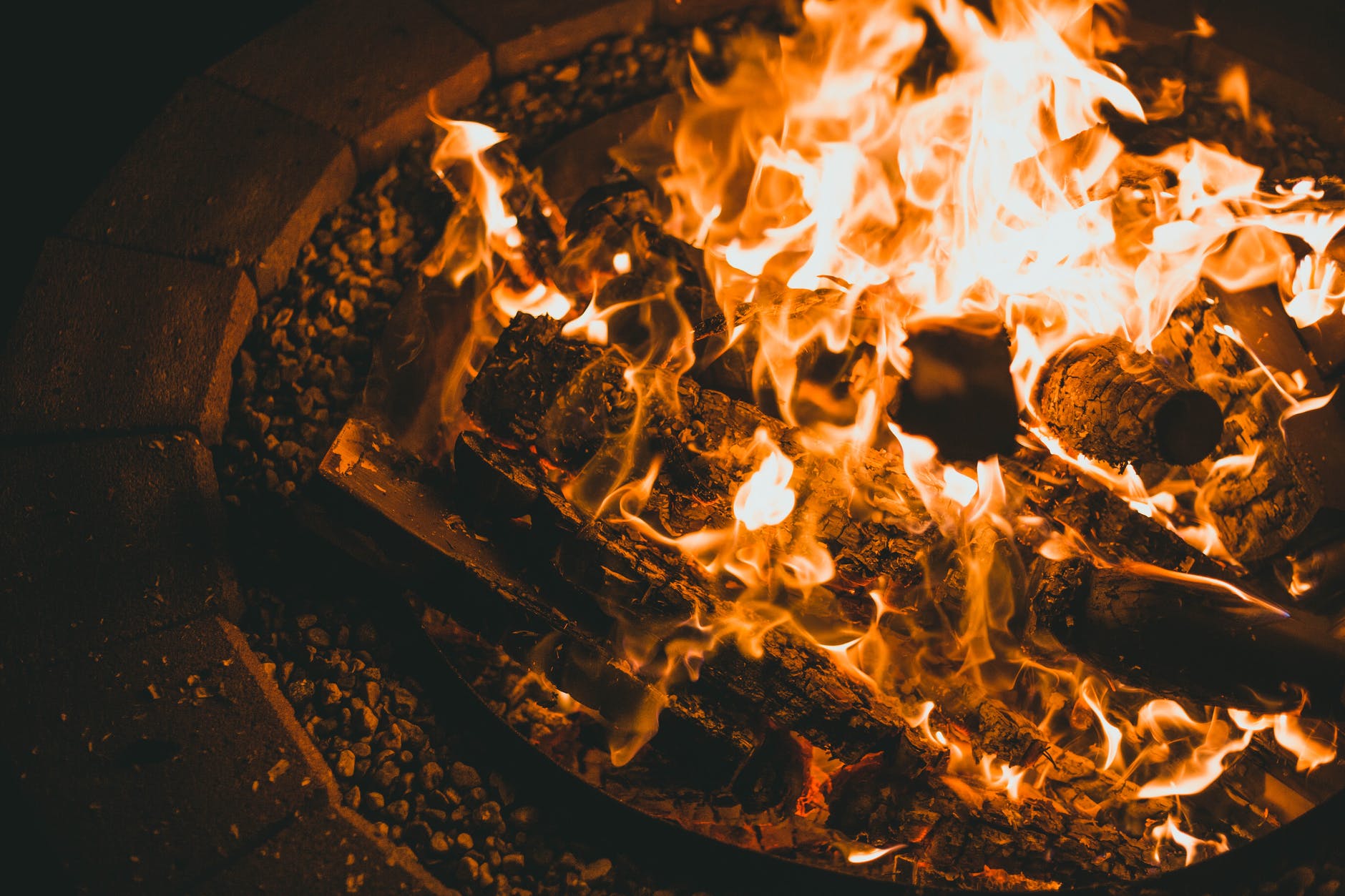
What do I mean by this? Remember in the previous post (Villains Part VI) I said villains take pleasure in the protagonist’s pain. Well, yes. If burning everything down so your main character will lose everything but gives your villain pleasure in that main character’s loss, then the destruction of all is worth it to them. Go for the gusto with your villain’s actions. Have your villain throw ‘fuel on the fire’ (so to speak) as many times as it takes to cause destruction.

Ultimately, what is the reason behind the importance of making a great evil villain? Readers who continue turning the pages of your story all the way through to the end.

Posted in Characterization

Villains (Part VI)

Photo by cottonbro on Pexels.com

Watching someone open a gift, listening to your favorite music, a day at the beach, or even a walk in the woods; might give you pleasure. Now, normally, activities like the this would. But for villains in your stories, what gives them pleasure is none of the above. Oh No. They get pleasure from the pain of others. To your villain, other peoples’ pain is climactic, exhilarating, and releases the feel good chemicals inside their brain. They thrive on seeing others’ hurt and to the point where they have to continue in their hurtful behavior so they can continue to feel that pleasure.

Types of pain they inflict can be:

  • Psychological
  • Emotional
  • Physical
  • Spiritual
  • Worse yet (and most preferable) a combination of all of these

When it comes to dreaming up ways your villain could possibly hurt your main character, think outside the box. Be creative about what you want them to do. What makes your villain’s actions different than others you have read about in other books. Mold them. Make their pain causing actions unique.

Posted in Characterization

Villains (Part V)

Photo by Sora Shimazaki on Pexels.com

How many times over the course of your life have you played a game with that one person who can’t help cheating to win the game? They are out there. In stories, they most definitely are there. They are called the antagonist, your villain. And they don’t play by the rules. In their minds the law doesn’t apply to them. If they can get what they want by breaking the law, so be it.

Their drive comes from interest in themselves. Their behavior is immoral/amoral. They lie, cheat, steal, deceive, and manipulate. If it puts money in their own pockets, they will take a bribe, blackmail, or do whatever it takes. Whatever the case, they always have ulterior motives.

When creating your villain, think outside the box. What are some creative ways your villain can break the rules to achieve their goal(s)?

Posted in Characterization

Villains (Part IV)

Photo by Sebastiaan Stam on Pexels.com

Years ago, I had this “friend” who, when I first met her, appeared to be very nice. I’ll call her Gina for purposes of this story (It’s not her real name). She invited me to her house. We talked and shared information like pre-teen girls usually do. We had a lot of fun…..at first. Then the blowback came. One day she started telling all the other girls in our class all the information I shared with her. I’m not the only one she did this too. She would apologize and gain my trust again then turn around and manipulate the situation to her advantage. From that point forward, she began pitting all of us against one another. She was so good at trickery and conniving that she was never suspected of anything. This story could go on and on but for purposes of this blog, I’ll just leave this story here, LOL. This went on for two years (7th and 8th grade). During my 8th grade year I stopped hanging around her and that group of girls all together. She didn’t make it easy on my though.

I can honestly say that Gina is the perfect example of a story villain. They can not be trusted with anything whatsoever. This doesn’t mean they won’t try to gain one’s trust. They will because they are masters at knowing how to do that. Keep in mind, villains have very high social IQ’s and so they know how to manipulate people and situations. Ultimately, gaining the advantage and keeping it in any situation that serves themselves is what their goal is.

People are naturally trusting, so use this to your advantage when plotting your story. Here again, the villain will exploit the trust of others to obtain the advantage. And, YES, they are ALWAYS looking for ways to back stab anyone, this means adversaries and allies alike.